Repair
Peptides in skincare: when skin needs a gentler rhythm of recovery
Peptides are not an overnight fix. Used consistently in a well-matched routine, they can support skin that feels softer, calmer and more resilient.
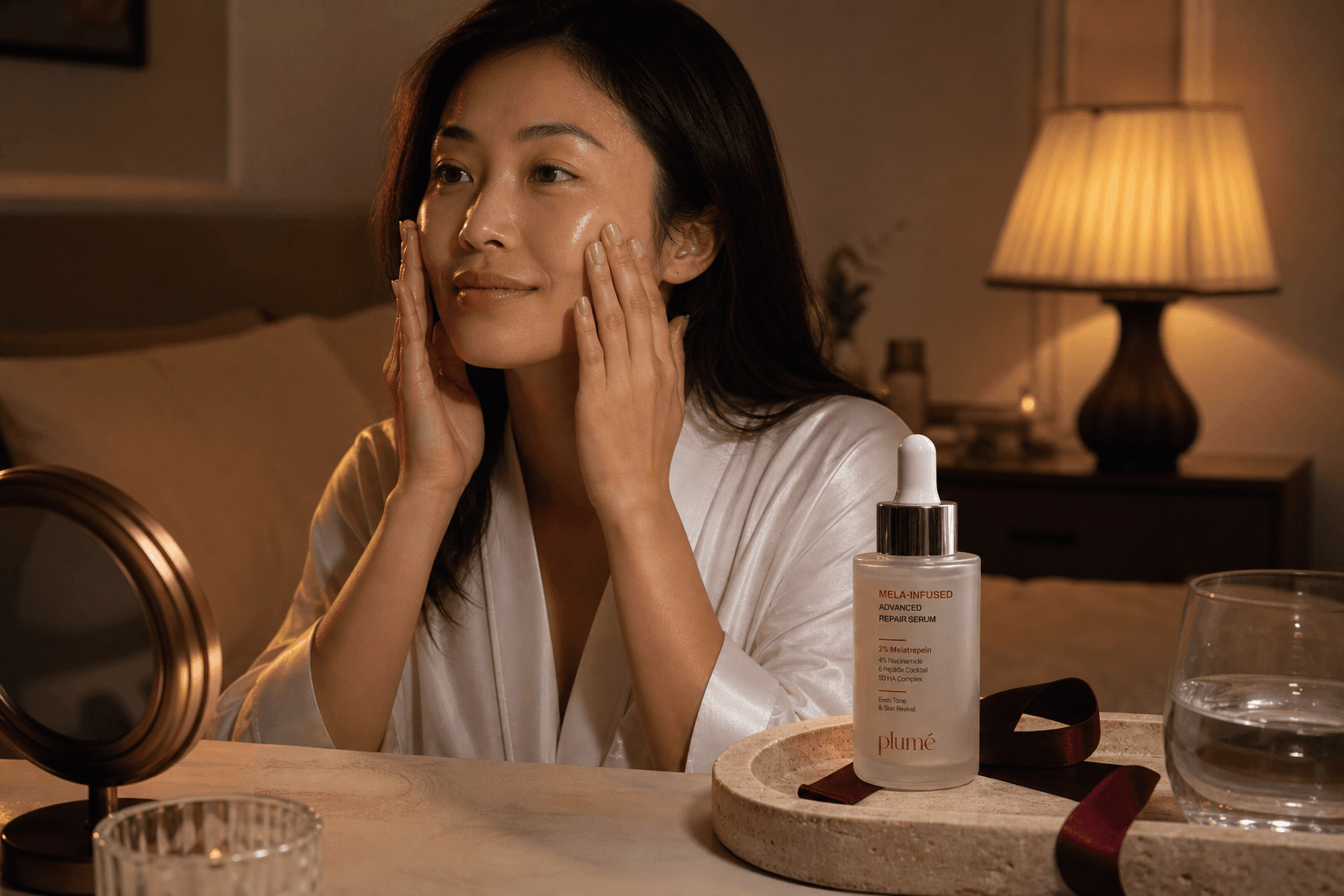
What this means for your routine
Peptides are short chains of amino acids used in cosmetics as part of care that aims to support a soft, smooth-feeling surface and a considered recovery routine. Different peptides have different structures and purposes, so a product should not be judged by the word ‘peptide’ alone. Formula design, stability and everyday use matter just as much.
The useful way to read peptides in skincare: when skin needs a gentler recovery rhythm is within the context of everyday skin care. After dry weather, overly strong cleansing, a demanding schedule or too many treatment steps, reducing the load can be useful. A peptide serum or moisturiser often suits a phase where hydration, comfort and consistency are the priority. It is supportive skincare, not a replacement for medical advice about inflammation, injury or persistent irritation.
A practical approach
There is no single routine that suits every person. Start with your goal, your skin's lived comfort and your actual schedule. Use a peptide product after cleansing, before or alongside moisturiser depending on its texture. Pair it with humectants, a moisturising layer and daytime sunscreen so the routine works as a whole. If you use several active ingredients, keep the rest of the routine simple for a few weeks rather than continually adding products.
Observe changes across weeks rather than judging skin every day. Light, weather and daily rhythm can shift how skin looks temporarily; a simple record makes decisions calmer and more useful.
It can help to ask a few plain questions before adding a step: What is my primary goal right now? Does this product make the routine easier to maintain? Am I applying it in a way that matches the label? Those questions keep the focus on use and comfort, rather than on chasing a fast or dramatic result.
What to keep in mind
Do not promise your skin a result in a few days. A softer, more hydrated or smoother-looking finish can take time and is also shaped by sleep, climate and sun habits. If a product is uncomfortable, stop using it and seek appropriate advice rather than forcing your skin to ‘get used to’ it.
Skincare education should help you understand choices, not pressure you into using more. Keep the foundations steady—appropriate cleansing, moisturising support and daytime sun care—before assessing any more advanced step.
Give a new approach enough time to be understood, but do not ignore discomfort. A gradual routine is easier to adjust because you know what changed, when it changed and how your skin felt. That record is more useful than comparing your skin to someone else's routine or a filtered image.
The short version
Peptides are most useful as an easy, calm recovery step that you can maintain. A shorter, hydrated routine with fewer surprises often offers a better experience than chasing too many claims.
A good routine is one you can sustain in real life. Prioritise clear information, a gradual pace and your own skin's response.
The most helpful next step is usually modest: keep what feels comfortable, make one considered adjustment and give it time. That approach leaves room for skincare to be supportive rather than another source of pressure in a busy day.