Sensitive skin
When skin feels sensitive, why less is often the better choice
Tired skin needs a routine that is easy to understand. Learn when to favour comforting textures, consistent use and a small patch test before committing.
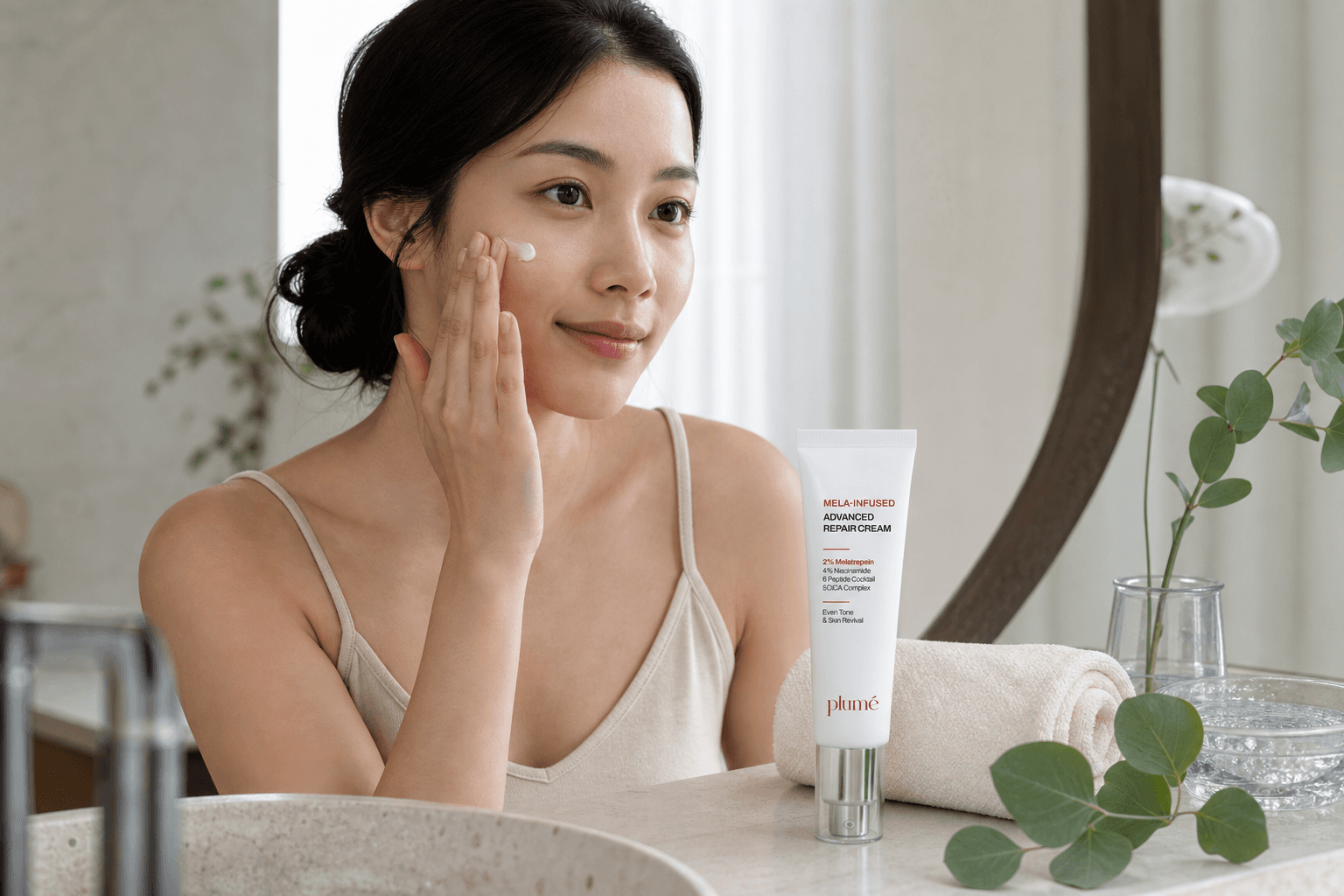
What this means for your routine
Sensitive skin does not always look or feel the same. It may feel dry and tight, sting easily, look red or react to weather, friction or a small change in routine. Simplifying is not neglect; it creates the conditions to see more clearly what is actually working for your skin.
The useful way to read sensitive skin: why a simpler routine is often the better choice is within the context of everyday skin care. A pared-back routine usually centres on gentle cleansing, moisturising, sun protection and only one targeted product when skin feels settled. With fewer steps, it becomes easier to identify whether a new product is causing discomfort. That is especially helpful when several products were introduced at once and the source of a change is unclear.
A practical approach
There is no single routine that suits every person. Start with your goal, your skin's lived comfort and your actual schedule. Add one product at a time, test it on a small area and observe for several days before using it across the face. Use moderate amounts, avoid rubbing while cleansing or drying, and favour moisturising layers that reduce the feeling of tightness. A short note of products, frequency and skin response can reveal useful patterns.
Observe changes across weeks rather than judging skin every day. Light, weather and daily rhythm can shift how skin looks temporarily; a simple record makes decisions calmer and more useful.
It can help to ask a few plain questions before adding a step: What is my primary goal right now? Does this product make the routine easier to maintain? Am I applying it in a way that matches the label? Those questions keep the focus on use and comfort, rather than on chasing a fast or dramatic result.
What to keep in mind
Persistent irritation, swelling, pain, cracking or symptoms that affect daily life need clinical assessment. Cosmetic routines cannot diagnose or treat skin disease. Do not keep using a product simply because it is marketed as gentle; your skin’s lived response is the important evidence.
Skincare education should help you understand choices, not pressure you into using more. Keep the foundations steady—appropriate cleansing, moisturising support and daytime sun care—before assessing any more advanced step.
Give a new approach enough time to be understood, but do not ignore discomfort. A gradual routine is easier to adjust because you know what changed, when it changed and how your skin felt. That record is more useful than comparing your skin to someone else's routine or a filtered image.
The short version
Simplicity makes a routine understandable, repeatable and less stressful. Once skin feels settled, you can add steps slowly instead of trading comfort for a crowded active-ingredient list.
A good routine is one you can sustain in real life. Prioritise clear information, a gradual pace and your own skin's response.
The most helpful next step is usually modest: keep what feels comfortable, make one considered adjustment and give it time. That approach leaves room for skincare to be supportive rather than another source of pressure in a busy day.