Sunscreen
What do SPF and PA mean? Choosing sunscreen for an everyday routine
Reading a sunscreen label is simpler than it looks. Learn the difference between SPF and PA, plus the details worth considering for morning protection.
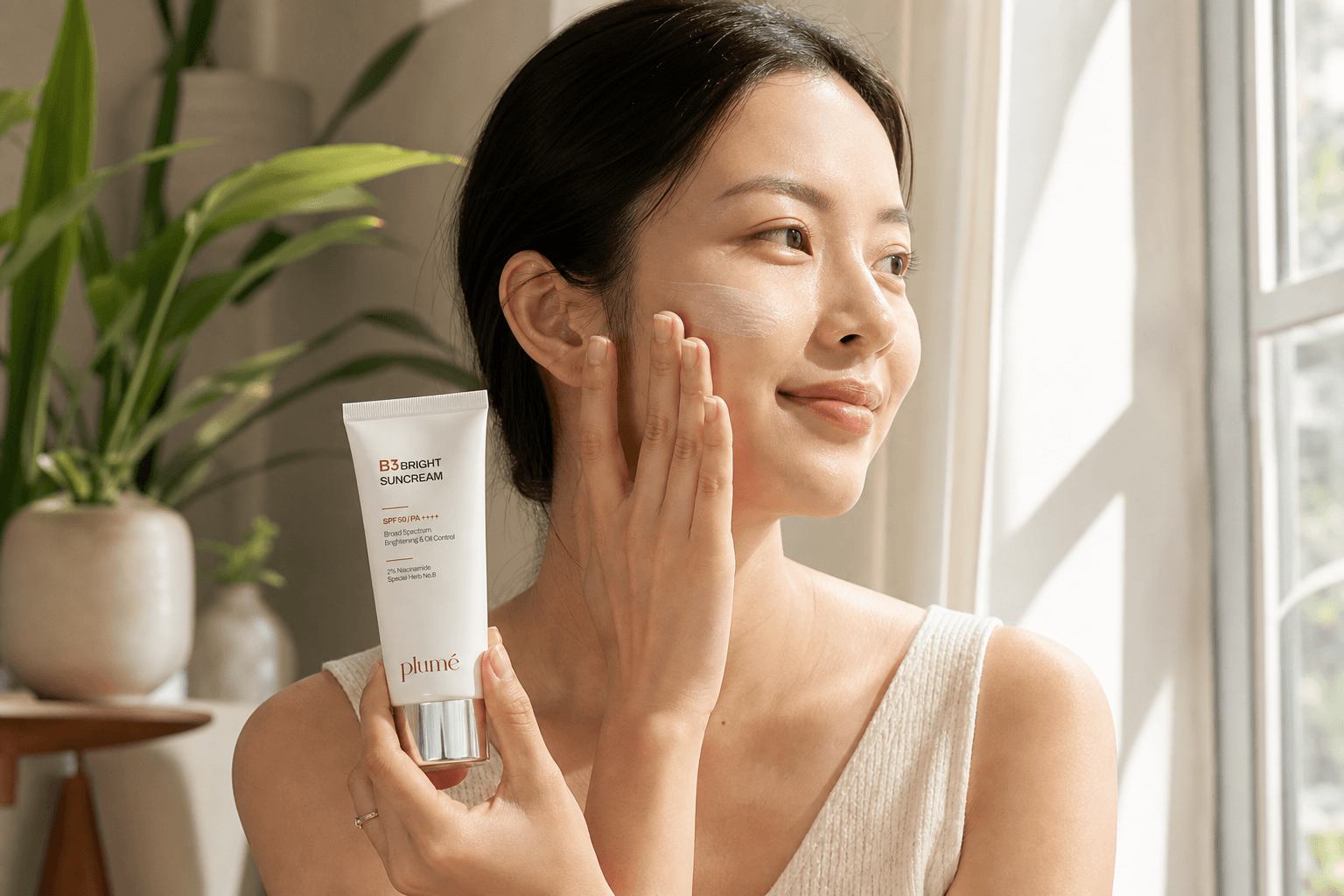
What this means for your routine
SPF is a measure used mainly for UVB protection, while PA communicates the level of UVA protection. They work together rather than competing for attention: UVB is strongly associated with surface burning, while UVA is present year-round and can contribute to visible uneven tone and premature-looking ageing. Reading both markers gives a more complete view of daily sun protection.
The useful way to read what spf and pa mean: choosing sunscreen for an everyday routine is within the context of everyday skin care. The best sunscreen is not chosen by a high number alone. Texture, the amount applied, reapplication and comfort determine whether it becomes a real habit. Oily skin may prefer a light fluid; dry skin may enjoy a more cushioning finish; reactive skin benefits from a formula that feels comfortable and is patch tested first.
A practical approach
There is no single routine that suits every person. Start with your goal, your skin's lived comfort and your actual schedule. Apply sunscreen as the final step of a morning routine, covering the face, neck and exposed skin evenly. Reapply according to the label after outdoor activity, sweat, swimming or towel drying. If one generous layer feels difficult to spread, two thin, even layers can make full coverage easier to achieve.
Observe changes across weeks rather than judging skin every day. Light, weather and daily rhythm can shift how skin looks temporarily; a simple record makes decisions calmer and more useful.
It can help to ask a few plain questions before adding a step: What is my primary goal right now? Does this product make the routine easier to maintain? Am I applying it in a way that matches the label? Those questions keep the focus on use and comfort, rather than on chasing a fast or dramatic result.
What to keep in mind
Sunscreen is not an invitation to stay in intense sun for longer. Shade, hats, sunglasses and thoughtful timing still matter, especially when skin feels reactive or when using ingredients that can increase sensitivity to sunlight. Seek clinical advice for a persistent skin concern or an active treatment plan.
Skincare education should help you understand choices, not pressure you into using more. Keep the foundations steady—appropriate cleansing, moisturising support and daytime sun care—before assessing any more advanced step.
Give a new approach enough time to be understood, but do not ignore discomfort. A gradual routine is easier to adjust because you know what changed, when it changed and how your skin felt. That record is more useful than comparing your skin to someone else's routine or a filtered image.
The short version
Daily sun care works best when it is a product you can apply generously and repeat consistently. SPF and PA help you read the label; a reliable habit gives those numbers their practical value.
A good routine is one you can sustain in real life. Prioritise clear information, a gradual pace and your own skin's response.
The most helpful next step is usually modest: keep what feels comfortable, make one considered adjustment and give it time. That approach leaves room for skincare to be supportive rather than another source of pressure in a busy day.