Natural radiance
A lighter base: skincare and tone-up with a natural finish
A beautiful tone-up layer should not hide your skin. It can help the surface look fresher while your skincare beneath continues doing its thoughtful work.
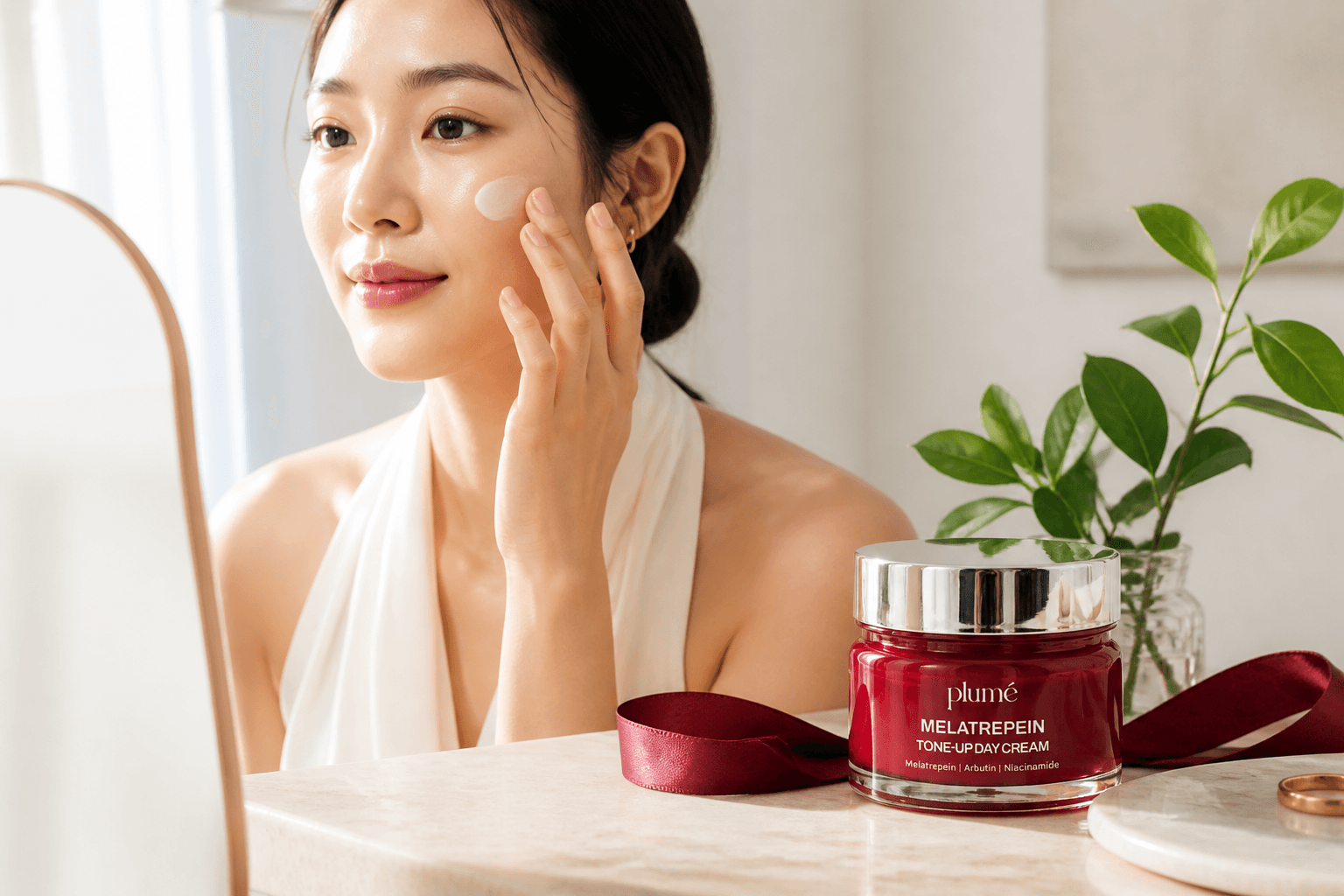
What this means for your routine
A tone-up product or light base is usually used to make skin look fresher and more even through the day. Its value is not total coverage, but comfortable wear, harmonious colour and its ability to sit alongside skincare. A good base should complement skin rather than make you feel you have to hide it.
The useful way to read a light base: skincare and tone-up the natural-looking way is within the context of everyday skin care. For a natural-looking tone-up finish, the skincare underneath needs the right order. Dehydrated skin can make a base look patchy, while too many layers can cause slipping or pilling. A light morning routine with time for each layer to settle is often a better foundation than piling on coverage to solve a surface concern.
A practical approach
There is no single routine that suits every person. Start with your goal, your skin's lived comfort and your actual schedule. After skincare and sunscreen, use a small amount of tone-up product and blend from the centre of the face outward. Clean fingers, a sponge or a brush can work depending on texture, but start thin and add only where needed. Check the result in natural light and along the neck and jaw so the finish works with the whole complexion.
Observe changes across weeks rather than judging skin every day. Light, weather and daily rhythm can shift how skin looks temporarily; a simple record makes decisions calmer and more useful.
It can help to ask a few plain questions before adding a step: What is my primary goal right now? Does this product make the routine easier to maintain? Am I applying it in a way that matches the label? Those questions keep the focus on use and comfort, rather than on chasing a fast or dramatic result.
What to keep in mind
Tone-up does not replace sunscreen, even if it gives the skin a brighter or tinted appearance. If skin is flaking or irritated, prioritise comfort before trying to create an even effect. At the end of the day, cleanse gently but thoroughly so base product, pollution and excess oil do not remain on skin.
Skincare education should help you understand choices, not pressure you into using more. Keep the foundations steady—appropriate cleansing, moisturising support and daytime sun care—before assessing any more advanced step.
Give a new approach enough time to be understood, but do not ignore discomfort. A gradual routine is easier to adjust because you know what changed, when it changed and how your skin felt. That record is more useful than comparing your skin to someone else's routine or a filtered image.
The short version
The best base is one that still lets skin look like itself. When skincare, sunscreen and tone-up each do their own job, natural radiance is more convincing than a heavy cover-up.
A good routine is one you can sustain in real life. Prioritise clear information, a gradual pace and your own skin's response.
The most helpful next step is usually modest: keep what feels comfortable, make one considered adjustment and give it time. That approach leaves room for skincare to be supportive rather than another source of pressure in a busy day.